
Engagement Technique: The Office Museum
Every company has stories.
The problem is that as companies grow, those stories often disappear.
New starters never hear about the first customer. The original office. The near-disaster that somehow worked out. The weird traditions that used to exist. The people who helped build the business.
That’s where The Office Museum comes in.
Part company history lesson, part employer branding, part celebration of the people who got you where you are today.
How it works
Create a physical space in the office, or a digital page on your intranet, dedicated to the company’s story. Fill it with moments that helped shape the organisation. This could include:
- Photos of the first office
- The first deal or customer
- Early product designs
- Old company merchandise
- Team photos from years gone by
- Major milestones
- Awards and achievements
- Significant pivots or changes
- Funny stories people still talk about today
If you can find them, physical artefacts make it even more interesting. Old branded mugs, outdated business cards, the original logo, even a laptop that somehow survived the startup years!
The goal is to make the history of the business tangible. This is a great exercise to do if/when you’ve decided on your company values – as you can see where they originated.
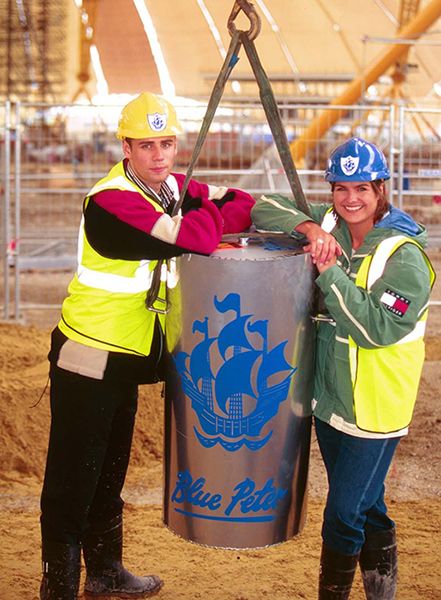
^Dig out your time capsule gold!
Get the founders and long-term employees involved
The best museums are built by the people who lived the story. Ask founders, long-serving employees, and company veterans to contribute. It’s also a nice exercise to get the junior/newer employees to gather the information
Who has the stories, photos, or memorabilia? Where were the lessons learned, and the ‘Golden Goals‘ people never forget, but often forget to share!
It’s also a brilliant internal PR exercise. People enjoy sharing memories, and newer employees get a better understanding of how the company became what it is today.
This is about helping people feel part of something bigger than themselves.
Where the company has come from, what challenges it has overcome, what makes it unique, and why certain traditions/values exist.
It helps to understand where mistakes have been made, and how you can learn.
Externally – it’s great brand content, internally – for new starters especially – it can accelerate connection to the business.
What to watch out for
Company history isn’t always great. You may uncover failed products, some bad decisions, and moments people would rather forget.
My advice though, is to include some of them.
Not all, obviously.
But the most interesting company stories often involve setbacks, mistakes, and lessons learned.
Takeaway
The Office Museum helps preserve the stories that make a company unique.
It’s a way of celebrating the people, moments, quirks, successes, and even occasional mistakes that shaped the organisation.
Find the stories people choose to remember tomorrow.
This post is part of our Engagement Techniques series of practical, low-cost ideas to bring more connection and meaning into work. Find the rest here
👉 Want to explore techniques like this in more depth? I run interactive employee engagement workshops where we bring these ideas to life.