
Engagement Technique: Run Club
Some engagement initiatives start with a strategy document. Others start with three people saying: “Fancy a lunchtime run?”
From Founder Joe: At a previous company, I worked for, one of our benefits was a 1hr 30m lunch break for physical activity. A few employees – from different departments, I’ll add – took advantage of that one day, by deciding to go on a run together. They decided it would be just a ‘conversational pace’ and took it mostly as a chance to get outside together.
Over time, it grew. At its peak, there were around 30 people running regularly across London. Different departments. Different fitness levels. Different reasons for joining.
Since that run club started, 8 of those people went on to run a Marathon (who had never run one before). There’s one particularly inspiring chap, Kayode, who HAD NEVER RUN BEFORE, who then got the bug through support of the team, for then just two years later ran 2 marathons in a year!
And that’s why Run Club works so well as an engagement technique.

How it works
The company offered employees up to 1 hour 30 minutes for physical activity at lunch, but you could do a scaled back version, or fit it in before or after work hours. It doesn’t have to be running – it could be football, padel, tennis, gym sessions – any kind of team based activity or movement.
Although running was what worked at this previous company, it’s an engagement technique not because of the running itself. It was creating permission for people to:
- Step away from work
- Move
- Socialise
- Reset mentally
The run club itself stayed deliberately informal, and inclusive – yes some times runners would group (conversational pace, medium, and elite together), but largely it was about helping each other and encouraging each other.
When people run together, hierarchy tends to disappear a bit. You’re no longer ‘the manager’ and ’employee’, you’re just two + people trying not to die halfway through a 5k!
That shared experience builds relationships quickly, and improves Physical wellbeing, Mental wellbeing, Cross-team connection, and Energy levels during the day
What to watch out for
- Don’t accidentally create a fitness clique: Keep it beginner-friendly and welcoming.
- Avoid pressure or guilt: This should never feel mandatory or tied to performance.
- Make inclusivity easy: Not everyone can or wants to run. Consider parallel options like walking groups.
- Protect the culture as it grows: Once these groups become popular, they can unintentionally become exclusive. Keep encouraging new joiners.
Employer Brand Bonus
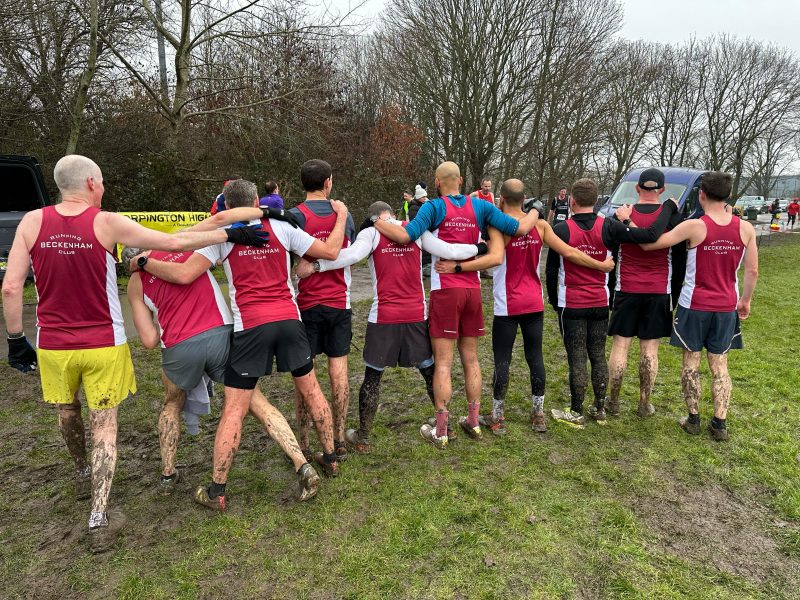
Run clubs also tend to create strong employer brand moments naturally.
People posting:
- Team race photos
- Lunchtime runs
- Charity events
- Milestones achieved together
Those stories genuinely show culture rather than trying to manufacture it, and often, they start with something very small.
________________________________________________________________________________________
The Takeaway
The Run Club started with three people going for a jog at lunch. That’s it.
No launch campaign. No strategy deck. No mandatory wellbeing initiative. Just people doing something together consistently.
Sometimes the strongest engagement initiatives are the ones that grow organically because people genuinely enjoy being part of them.
This post is part of our Engagement Techniques series of practical, low-cost ideas to bring more connection and meaning into work. Find the rest here
👉 Want to explore techniques like this in more depth? I run interactive employee engagement workshops where we bring these ideas to life.