
The State of Engagement: Toby Hallett, Rollo
In an industry known for burnout, churn, and fast hiring, Rollo have taken a different approach.
What stood out in this conversation was how intentional they are about culture. Not culture as a poster on the wall, but culture built through trust, ownership, shared rewards, and giving people room to shape their careers inside the business rather than outside it.
Rollo is a full-service marketing agency helping businesses define where they’re going, then delivering the strategy end-to-end in-house across brand, social media, web design, video production, and ad campaigns.
What engages employees?
For Rollo, engagement comes down to culture, togetherness, shared goals, and creative freedom, but importantly, those aren’t just vague statements.
“People manage their own time and workload. We trust them to know what their day needs to look like.”
That trust shows up in practical ways. Their one-to-one catch-ups are team-led. If there’s nothing that needs discussing, they simply don’t run them. When campaigns don’t go to plan, the focus is on fixing the process rather than blaming individuals.
Although hybrid working is available, most of the team choose to work from the office. That matters. In an era where many companies struggle to create meaningful in-person culture, Rollo see office attendance as a signal that people genuinely want to be there. Weekly team meetings are held outside the office over coffee together, reinforcing the importance of connection rather than routine status updates.
One of the biggest drivers of engagement is how incentives are structured. Commission is shared across the team rather than tied to individual targets.
“That one structural decision shapes more behaviour than anything else we’ve put in place.”, says Toby.
Instead of internal competition, it creates collective ownership.
Employees are also trusted to lead. One account manager is currently leading the repositioning of the Rollo agency brand itself, while client campaigns are owned end-to-end by account managers rather than filtered through layers of approval.
What gives businesses the edge in attracting and retaining talent?
“Bigger agencies hire you into a role. We hire you, and then help you build the thing you want to lead,” says Toby, “That mindset runs through the whole business.”
Rather than boxing people into narrow specialisms, Rollo gives employees exposure across brand, social, web, video, and paid campaigns, allowing them to discover where they thrive most.
“One of our team members, only four months into the business, is already helping to build a new arm of Rollo focused on employer branding. For me, that is exactly what career shaping should look like: giving people the space not just to do the work, but to create and lead something they believe in.”
That flexibility and ownership gives ambitious people something many agencies struggle to offer: genuine career shaping rather than simply task delivery.
In your experience, what are employees looking for?
Rollo see employees, especially younger professionals, looking for three things consistently:
Trust.
Recognition.
Career growth.
The team are trusted to shape how they work, and the shared commission model means performance has a direct financial reward attached to it.
More broadly, there’s a strong belief that people want leaders who trust them to succeed rather than control every decision. “Leaders who feel they need to make every decision clearly don’t trust their people, and they should think hard about who they’re hiring, and about what their own leadership looks like.”
Recognition also matters heavily. “Show people you see what they do. That’s what prevents resentment, stops good people leaving, and empowers teams to succeed.”
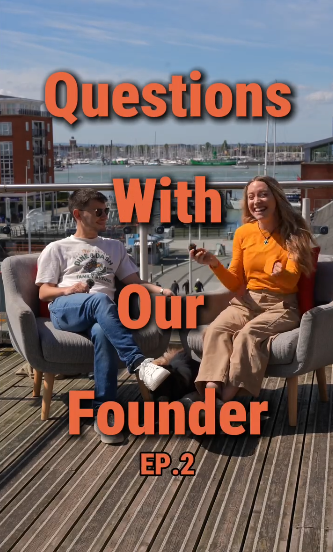
Watch Toby on Rollo’s ‘Questions With Our Founder‘ video (Instagram)
Which part of EVP matters most to you personally?
EVP, or Employee Value Proposition, is the balance of what people give and what they get back. I like to break it down into seven pillars:
Brand & Purpose, Culture, Environment, Monetary, Prospects, Relationships, and Wellbeing.
For Rollo, the most important pillar is Culture.
“The other six pillars only work when culture is right. Competitive pay, strong purpose, and benefits lose their impact if the day-to-day environment feels disconnected.
Without culture, you lack energy, you lack ownership, you lack a sense of belonging. People become a number in an organisation.”
That perspective has shaped how Rollo hires. “In a young business, hiring for culture fit isn’t a luxury. Every hire has outsized impact. We’ve had a few bad hires. We’ve learnt to spot the signs earlier, hire slower, and not ignore our instincts when something feels off.”
What do you see are the biggest people challenges businesses are facing right now?
One of the biggest challenges they see across the marketing industry is agencies hiring quickly based purely on skills, only to lose strong people eighteen months later.
“Hiring for culture fit is slower, and harder to justify when client work is piling up. But it’s the difference between a team and a roster.”
Rollo have intentionally built a recruitment process designed to protect culture standards even during periods of growth. They’ve made four hires in six months, including two senior and two junior roles, while maintaining a strong focus on team fit.
The challenge now is scaling without losing what makes the business work. That includes continuing to give people room to build their own specialisms internally rather than feeling they need to leave to progress.
Final Thoughts
One point from this conversation stood out more than anything else: “Hire slower than you want to, and trust people faster than you think you should.”
There’s a simplicity to that idea, but also a challenge.
Many organisations say they trust their people, but then create systems filled with approvals, bottlenecks, individual competition, and managerial control.
At Rollo, trust appears operational rather than performative. Perhaps that explains why, despite flexible working policies, most of the team still choose to come into the office.
Connect with Toby on Linkedin
Visit the Rollo website
Contact CHEER!
Click here for past editions of The State of Engagement