
The State of Engagement:
Sean Kennedy
It’s all a bit serious, Linkedin, isn’t it. If you’re not being sold the dream of Dubai, you’re being told your working day is too inefficient. Then you go down a rabbit hole of AI generated slop, including AI written posts about the danger of AI taking over with AI responses agreeing, or disagreeing, or whatever. Where was I…
.. follow Sean Kennedy.
Sean is a Talent Acquisition leader turned content creator and advisor for RecTech brands. He help recruitment and HR tech companies reach recruiters and TA leaders through content that feels native, engaging, and credible, backed by lived experience in recruitment (rather than generic marketing fluff). Alongside content, we also supports brands with visibility, community reach, and connecting their product to the right audience.
The content is fun. It’s designed to make us laugh, and bring some light – because it doesn’t all have to be serious. But on top of funny, he knows a thing or two about the state of engagement.
Enjoy,
Joe
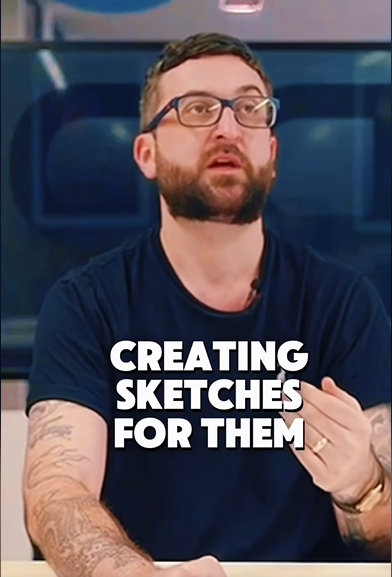
What engages employees?
For Sean, “People do their best work when they feel trusted, included, and like what they’re doing actually matters.
I don’t think you get the most out of people by hovering over them or turning work into a weird game of pressure and performance theatre. You get the most out of people when you give them clarity, autonomy, room to be themselves, and make them feel like their contribution genuinely counts.”
A good culture helps, continues Sean, “but so does just treating people like grown-ups.”
What gives businesses the edge in attracting and retaining talent?
Sean believes the edge comes from being real. He notes that a lot of businesses still hide behind polished employer branding that looks nice on a slide deck but tells you absolutely nothing about what it’s actually like to work there. The businesses that stand out, he says, are the ones that communicate clearly, show personality, and back up what they say with action.
“People are drawn to honesty, good leadership, flexibility, and environments where they can see they’ll be valued, not just hired.”
It’s always good to hear it in such simple terms. Engagement, happiness at work, results – they don’t have to be complicated.
In your experience, what are employees looking for now?
“People want fair pay, obviously, but that’s rarely the full story”, says Sean. “In my experience, people are looking for a mix of things: flexibility, trust, good leadership, purpose, progression, and a working environment that doesn’t make them dread opening their laptop on a Monday morning.
They want to feel respected. They want clarity. They want to know what good looks like. And they want to work somewhere that understands they’re human beings, not just output machines.”

Which part of EVP matters most to you personally?
EVP, or Employee Value Proposition, is the balance of what people give and what they get back. I like to break it down into seven pillars:
Brand & Purpose, Culture, Environment, Monetary, Prospects, Relationships, and Wellbeing.
Sean, like many of my guests, picked Culture (although when pushed, in his case).
It’s because to Sean, it’s not culture in the cringey “we’re a family” sense. He means the actual lived experience of working somewhere. “How people treat each other. Whether leadership listens. Whether you can speak honestly. Whether people feel safe, supported, and able to do good work without all the unnecessary nonsense.
You can have good pay and nice benefits, but if the culture is off, people feel it very quickly. A strong culture tends to lift everything else around it.”

What do you see are the biggest people challenges businesses are facing right now?
A big challenge right now is cutting through noise.
Whether it’s attracting talent, keeping people engaged, or building trust internally, there’s a lot of sameness in how businesses communicate. A lot of employer messaging still feels generic, and candidates and employees are far too switched on for that now.
I think there’s still loads of room for businesses to improve how they communicate their value, how they create more honest and engaging experiences, and how they make people feel connected to something beyond just the job title.
For me, improvement always comes back to clarity, authenticity, and creating environments people actually want to be part of.
Summary
Sean’s view is pretty straightforward: engagement isn’t complicated, but a lot of businesses make it that way.
People do their best work when they’re trusted, treated like adults, and feel what they’re doing actually matters. The organisations that win aren’t the ones with the slickest messaging, they’re the ones that are honest about what it’s really like to work there and then deliver on it.
Employees today expect more than pay. They want clarity, flexibility, good leadership, and an environment that doesn’t drain them. Culture sits at the centre of it all, not the performative version, but the day-to-day reality of how people are treated.
The challenge for businesses is cutting through the noise. Too much communication still feels generic, and people can spot that instantly. The opportunity is simple: be clear, be real, and build something people actually want to be part of.
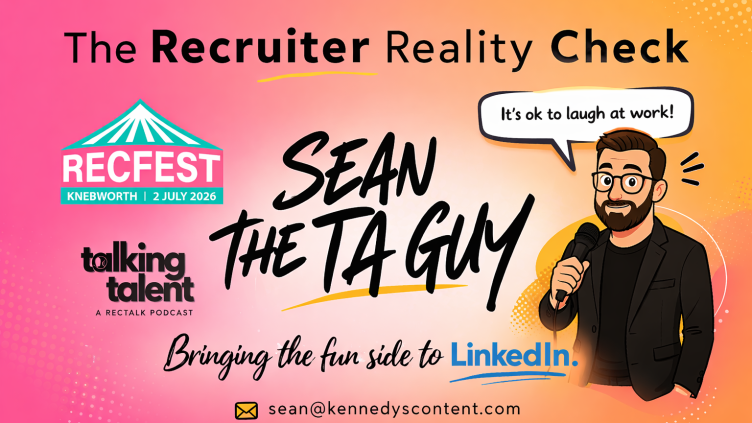
Follow Sean on Linkedin
Contact CHEER!
Click here for past editions of The State of Engagement